

Blog

Candelis solutions are designed to seamlessly connect with Epic Health Systems. This is achieved through familiar, industry-standard protocols that integrate with your Epic Electronic Health Record (EHR).

Candelis solutions integrate with Amazon Web Services (AWS) and are built on secure, scalable infrastructures. Healthcare facilities using traditional on-premise storage solutions are subject to maintenance responsibilities, scalability issues and high costs. AWS enables Candelis to provide expanded cloud storage, reducing the purchasing and maintenance burdens these organizations face.
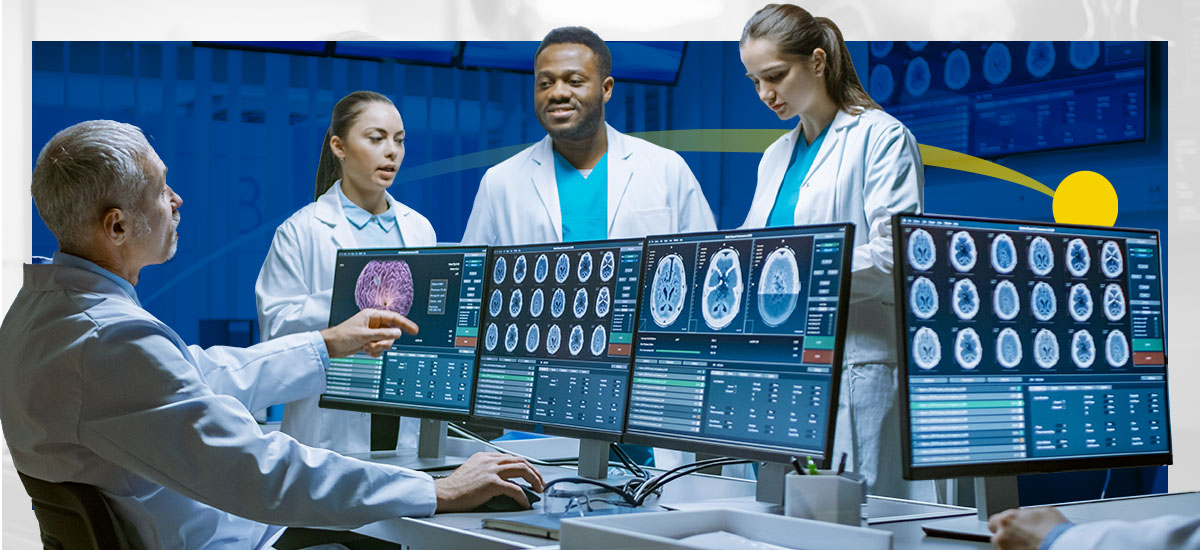
Candelis solutions are built to integrate with nearly all standard healthcare IT ecosystems. We can help you create a unified imaging environment that boosts efficiency, reduces risk and helps your team deliver faster, more accurate diagnoses.

Multiple rules and regulations govern radiology file retention, so there's no universal answer to how long you should keep radiology files. It's a complex issue shaped by federal regulations, state laws, clinical needs and legal risk management. What works for a facility in California may not align with requirements in North Carolina. Add in special considerations for minors and pending litigation, and the landscape becomes even more complicated.

You've probably noticed the growing imaging data in your healthcare environment. Each scan adds more information to store and make accessible across systems and departments, all while supporting clinical workflows.

DICOM routing rules are incredibly important, but many people don't understand just how vital they can be in the process of routing to your imaging center.

A VNA, which stands for vendor neutral archive, is a medical imaging storage solution. As your facility's medical imaging data grows, managing it becomes more complex. Over time, you may develop data silos and inefficiencies. A VNA centralizes and standardizes these medical images and data from different sources and places them into one accessible archive, simplifying data management.

Medical imaging produces vast amounts of data every day, including CT scans, MRIs, ultrasounds and X-rays that all need to be stored, shared and analyzed accurately.

Precise mammography positioning is vital because it helps you get a full view of the anterior and posterior depth of the breast. Accurate mammo views significantly improve detection and diagnosis outcomes, helping patients receive early treatment when needed.
